Makeup
You Did Your Makeup for the Mirror — Here’s Why It Looks Weird in Photos
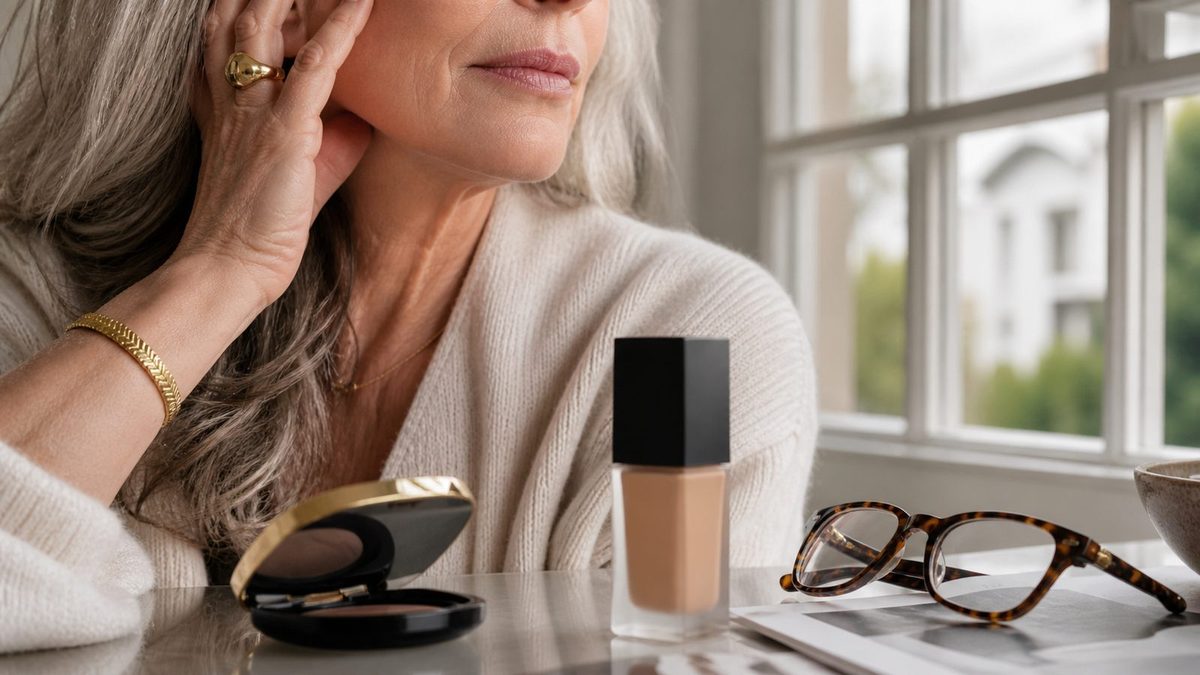
We all know the tiny triumph of leaving the bathroom and catching a final glimpse in the mirror — flawless, sculpted, alive. Then comes the photo: the base looks chalky, powder has creased into pores, blush has migrated like a bad contour, and highlighter is suddenly a spotlight. The culprit isn’t your face or that “bad camera”; it’s the habit of doing makeup only to satisfy what a mirror shows you.
Mirrors reflect a flattering slice of light back at you. Cameras capture light differently — they record texture, contrast, particle size and any mismatch between face and neck. Do your routine only in one environment and you’ll be astonished by what pixels reveal.
The quick diagnostic
Take two phone selfies: one in clear window light and one with flash or under your ring light. Compare.
If foundation has a white cast with flash, powder looks denser in the photo, blush reads patchy or highlighter becomes a hotspot, you’ve found the problem zones.
Why this happens
Base: Cameras pick up texture and contrast that flattering mirror angles hide. Foundation that’s layered, mismatched to the jawline, or unevenly blended will show up.
Powder: Thick, reflective or over-applied powder sits differently under camera light and can show as white or cakey patches.
Blush: Placement that flatters in a three-quarter mirror can read too low or patchy in a photograph because the camera flattens depth.
Highlighter: Chunky shimmer or dense placement becomes a bright, distracting hotspot on camera.
Simple fixes you can start using today
Make it one skin: Match foundation to your jawline and always check in natural window light — not in the yellow, overhead bathroom light that tricks you into warmer shades. Blend foundation down the neck where necessary so the camera sees continuity, not a mask.
Layer like a photographer: Creams under powders read better on camera than powder-on-top-everywhere. Start with a cream or liquid base, blend well, then set selectively — T-zone and under-eye only — using a pressing motion with a sponge or puff rather than sweeping with a big brush.
Powder smart: Use a finely milled, skin-tone or translucent powder sparingly. Press into oily areas instead of dusting across the entire face. If you see white or cakey patches in a flash test, mist lightly and press with a damp sponge to dissolve and re-blend the powder into the skin.
Blush that photographs: Begin with a cream or liquid blush worked into the skin to create a seamless base of colour. Add a whisper of powder blush for longevity only where needed. Place colour slightly higher — apples of the cheeks with a small lift toward the temples — because cameras flatten. Small, lifted placement reads fresher.
Highlighter, toned down: Choose very finely milled sheen rather than glitter. Tap sparingly on the high points — tops of cheekbones, bridge of nose — and blend the edges. If highlight is too obvious in a flash shot, buff it gently with a clean, dry brush to soften.
Check for flashback: If you’ll be photographed, do a full-face flash selfie while you’re still at home to flag any white cast or unexpected hotspots. Make corrections now — a quick mist-and-press or a soft buff can save a photo.
Primer and texture control: Primers should manage oil and texture without creating a heavy silicone veil. Too much pore-filling primer can gather powder and read worse on camera, so use a thin layer applied only where it helps.
Rescue moves for last-minute photos: For cakey flash patches, mist and press with a damp sponge. For over-bright highlight, buff the area with a soft brush. For flat-looking blush, add a tiny dot of cream colour and blend upward.
Lighting helps, too
Face the light when you can. Front light reduces harsh shadows and shows makeup more predictably.
Avoid hard direct flash where possible — it flattens and emphasizes texture. Diffused light, bounced flash or soft window light is more forgiving and keeps skin looking dimensional.
This isn’t about creating a different face for photos — it’s about testing and small edits so your makeup behaves consistently under both mirror and camera. Spend two extra minutes doing the quick diagnostic and one extra blending tweak, and you’ll save yourself the photo shock. Makeup that survives the mirror and the lens feels intentional, confident and most importantly, like you.