Why Your Lipstick Feathers — Even When You Use Lip Liner (And How to Stop It)
Lip liner alone is often a cosmetic comfort blanket — here’s the sharp, practical routine and product types that actually stop colour migrating into fine lines.
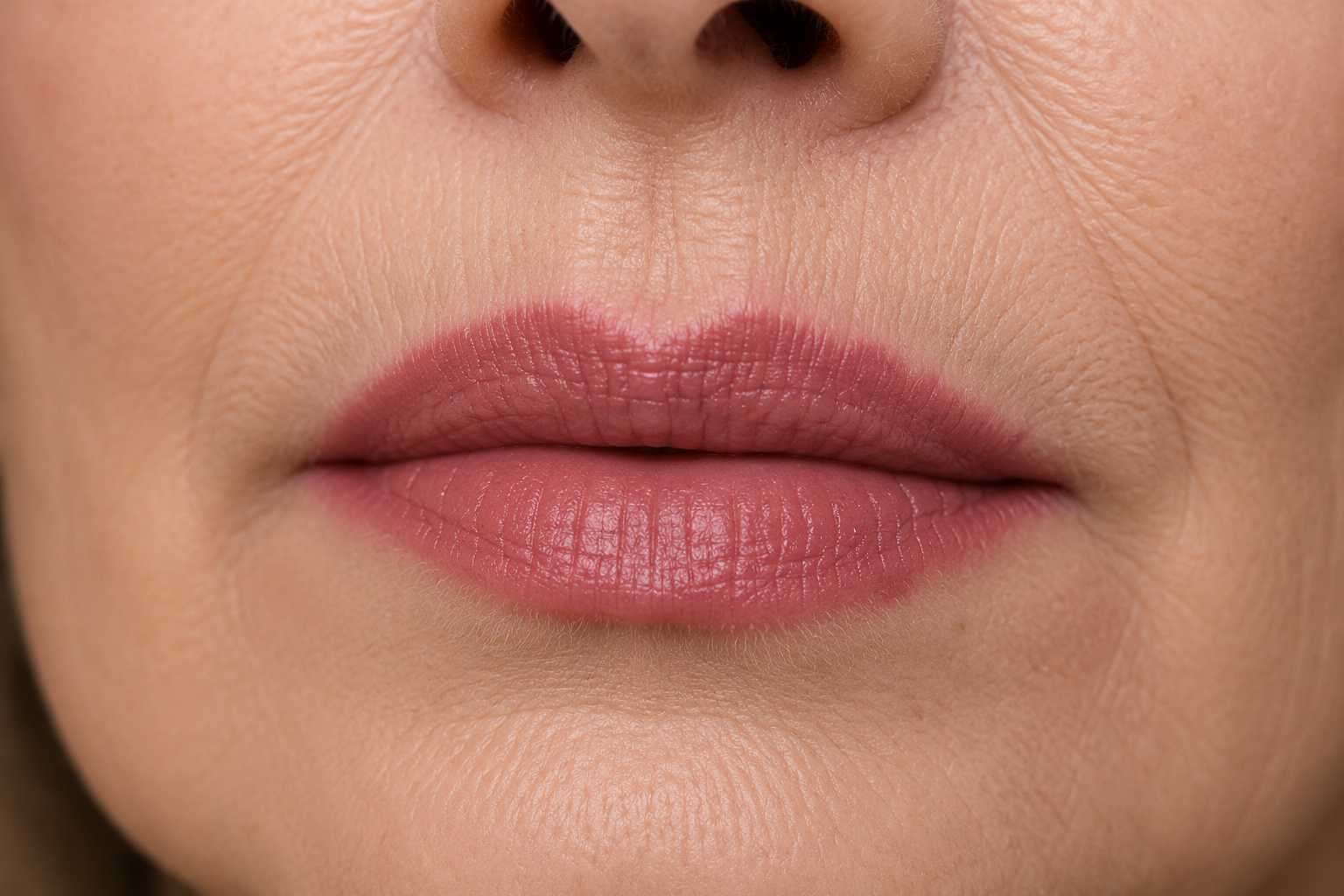
Lip liner gets a lot of credit for neat lips, but the truth is uglier and simpler: migration isn’t moral failure, it’s physics. Oils, creams and skin texture conspire to let pigment wander into vertical lines and the surrounding skin. If your liner is failing you, it’s because you’ve been relying on the outline rather than a system. Below is a grown-up, effective routine that puts the colour where you want it — not spread into the creases.
Why liner alone frequently loses
A single pencil can’t fight several forces at once. Think of feathering as movement along tiny highways: oil and emollients reduce surface tension and act as slip agents; fine lines and broken skin texture provide channels; and a thin outline is easy to breach with a press, a drink or even repeated talking. Add incompatible formulas — a glossy, oily lipstick over a dry, waxy liner or a drying long-wear formula that flakes — and the system fails.
Key mechanics:
- Oils and emollients: comforting on the lip, trouble on the perimeter. They allow pigment to travel.
- Fine lines and texture: vertical grooves near the mouth are natural and become more pronounced with age and sun damage.
- Barrier weakness: a single, narrow line is a stop-gap, not a blockade.
- Formula mismatch: not all liners and lipsticks behave the same; pairing matters.
A practical routine that actually works
This isn’t about buying one miracle product — it’s about a joined-up approach.
1. Prep, but don’t over-balm
Exfoliate gently once or twice a week to remove flaky bits that grab pigment. On application day, use a lightweight balm sparingly: enough to smooth, not enough to create a glossy slip layer. If you’ve used a heavy overnight mask, blot excess product before you start.
2. Prime the perimeter
Instead of trusting only a drawn line, create a subtle, mattified perimeter outside the lip. Use a small amount of concealer or a purpose-made lip primer blended into the skin to fill micro-grooves and even surface tension. This evens the terrain and gives the liner something to grip.
3. Line with intent
If longevity is the goal, fill the whole lip with pencil first, not just the outline. A fully-applied pencil acts as a pigment base and anchors colour. If you prefer the finish of a bullet, at minimum shade the liner slightly inward across the edge to buttress the border.
4. Layer smartly
Apply lipstick in thin layers rather than one heavy swipe. After the first layer, blot with a tissue, dust translucent powder over the tissue to set, then apply a second thin layer. This prevents a single lubricated surface that can slide and reduces product build-up along the edges.
5. Choose formulas by behavior, not hype
Creamy, glossy textures feel luxurious but are more likely to migrate. Satin or semi-matte finishes often strike a better balance between comfort and hold. Long-wear stains can lock pigment in place — but they may dry or accentuate lines, so balance with nighttime hydration.
6. Edge clean-up and sealing
A small, flat brush with a touch of concealer or mattifying base can sharpen and seal the edge after application. This final clean-up looks crisp and reduces the chance of bleeding throughout the day.
7. Smart maintenance
For daytime touch-ups: blot first (especially after oily meals), then reapply only the centre of the lip. Carry a pencil for fast edge repairs and a blotting sheet to remove excess oil without adding more.
Trade-offs and realities
There is no single perfect solution. Heavy priming alters finish; long-wear formulas lock colour but can dry and crack; satin finishes are the compromise. Decide whether you value comfort or immovability more, then choose your routine and products accordingly.
When feathering persists
If you’ve optimised technique and feathering remains stubborn, it may be structural — pronounced vertical lines or cumulative skin changes. At that point, a conversation with a qualified skincare professional about targeted treatments is reasonable. Avoid clinics advertising quick fixes via sales copy; seek objective clinical advice.