Eye Makeup
Why Your Mascara Transfers Onto Your Eyelids by Lunchtime — and How to Stop It
Mascara migration is almost always a mechanical problem — oil, wet formula, lash position and weather — which means practical fixes beat myth-heavy product shopping.
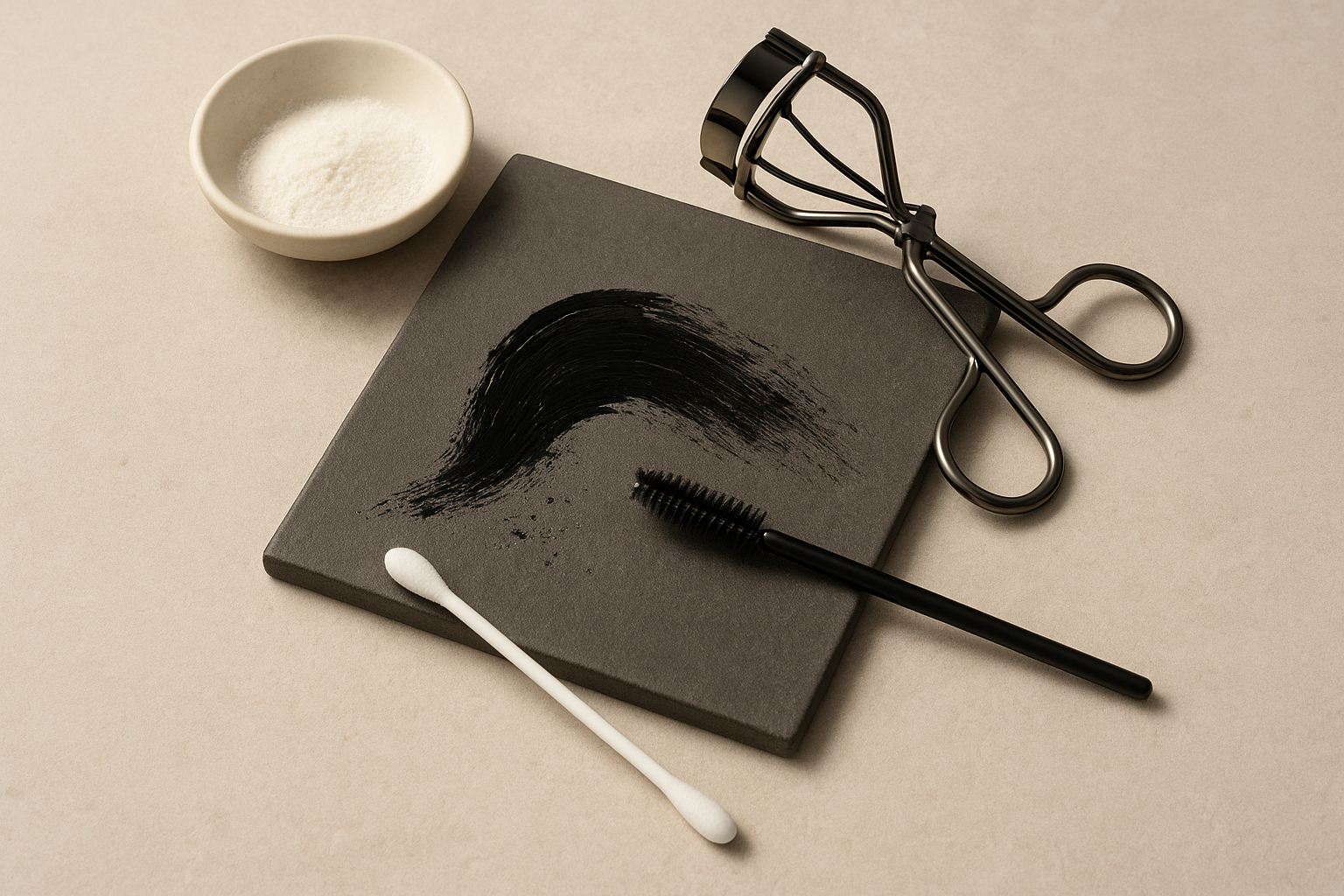
That neat black line across your crease by midday isn’t cosmetic sabotage — it’s physics. Mascara transfer is a predictable result of a handful of factors meeting in the blink of an eye: oil, wet or heavy product, lash contact with the mobile lid, and environmental softening. Once you understand the mechanics, the fixes are straightforward and mostly technique-based, not about hunting down a miracle tube.
Clean canvas, less transfer
Eyelids are oilier than people expect. Sebum, sweat and emollient creams soften the mascara film and make pigment more likely to smear on contact. Start with a genuinely clean lid: cleanse gently or swipe a little micellar water across the lash line to remove residue. If you use a rich eye cream, avoid applying it right on the upper lashline in the morning — spread it slightly higher on the orbital bone so it doesn’t migrate into the lashes.
The sweet spot on formulas and layers
Most transfer problems come down to two common mistakes: too much product and not letting it set. Thick, glossy, or heavily layered mascara stays tacky longer and will pick up on skin with every blink. Conversely, ultra-dry formulas can flake and create a different mess. The most reliable approach is thin, even coats: a single light coat, wait until it skins over, then a second if you need more drama. Think layering like paint: thin films dry into flexible skins that resist transfer.
Loading and drying: tiny technique shifts
Load your wand sparingly. Wipe the excess against the tube rim; run the brush through lashes from root to tip in a single, deliberate stroke, then pause. If you tend to blink into your crease while your mascara is setting, hold the lid slightly taut with a fingertip as the first layer dries. That small practice keeps the lash tips away from the mobile lid while the film forms.
Curling and lash positioning
Lift is your friend. Curling lashes changes their angle away from the skin and reduces contact. Move the curler along the lash from root to mid-shaft and toward the tip in a gentle rolling motion — lift, don’t clamp. After mascara, comb through with a clean spoolie to separate and redirect any stray tips. For hooded or mature lids where space is limited, an extra careful curl plus a final spoolie pass are worth the five extra seconds.
Primers, powders and trade-offs
A very thin dusting of translucent powder on the lid will absorb oil and reduce transfer — but it can matte down shimmer or slightly alter the finish of eye makeup. Grip primers marketed to boost staying power can help, but they sometimes make mascara feel stiff or harder to remove. Test a new technique on a day off rather than before an important event; you’ll find which compromises you’ll tolerate.
Weather and what to do about it
Heat and humidity soften mascara films, increasing transfer risk. On hot days, reduce product, extend drying time, and keep blotting sheets handy. In humid months, switch to the lighter application approach and accept that touch-ups might be necessary.
Quick midday fixes
Blot, don’t smear: gently pat the area with a dry tissue to lift loose pigment rather than rubbing. Re-position lashes: a clean spoolie can comb lashes away from the crease and break any fresh smudge. Spot-set: lightly dust a tiny amount of translucent powder over the crease using a small brush or sponge to mattify oil — use sparingly to avoid looking cakey. Targeted clean-up: a cotton bud dampened with micellar water can remove a stubborn line precisely without disturbing surrounding makeup. Work from the outside edge inwards and press, don’t drag.
Notes for hooded and mature lids
If your lid folds over the lashline or skin thins with age, the margin for error is smaller. The same mechanics apply, but technique matters more: prioritize lifting with the curler, thinner coats, careful drying, and keeping creams off the lash line in the morning. Little adjustments to application will usually beat buying another tube.
When to stop and seek help
If a mascara causes stinging, persistent irritation, or extreme flaking that’s new for you, stop using it and check with an eye-care professional. This is safety guidance, not medical advice.
Bottom line: it’s rarely the mascara’s fault alone. Manage contact (lift and comb), manage moisture (clean lids and light product), and manage drying time. Those small, grown-up technique changes will keep your mascara behaving like the rest of your makeup — under control.